
Effective Outreach Strategies for Music Scouts

Table of Contents
- Why Effective Outreach Matters for Music Scouts
- How to Find Emerging Artists Worth Scouting
- Crafting a Music Scout Email Template That Gets Responses
- Artist Outreach Message Examples That Work
- Music Scout Follow-Up Best Practices
- Building Long-Term Relationships Beyond the First Pitch
- Measuring Your Outreach Success and Refining Your Approach
- Frequently Asked Questions
Last Updated: October 11, 2026
Why Effective Outreach Matters for Music Scouts
Effective outreach strategies for music scouts separate scouts who build sustainable rosters from those who chase dead leads. The difference isn't luck, it's method.
Without effective outreach strategies for music scouts, most artists won't respond: your email lands in a crowded inbox, sounds generic, and gets ignored.
This guide covers finding emerging artists worth your time, crafting emails that get responses, and building relationships that turn one-off pitches into long-term partnerships.
How to Find Emerging Artists Worth Scouting
The first step in any outreach strategy is knowing who to reach out to. Wasting time on artists who don't fit your label's vision costs weeks.
Define what "emerging" means for your label: producers with a specific sound, singers in a particular genre, artists with growing followings. Clearer criteria means faster filtering.
Use these channels to identify emerging talent:
- Streaming platform playlists: Check independent and algorithmic playlists in your genre. Note artists with 5K-100K monthly listeners who release actively.
- SoundCloud and Bandcamp: These platforms host artists before they hit major streaming services. Filter by genre, sort by recent uploads, and listen for originality.
- Social media: Search relevant hashtags on TikTok, Instagram, and YouTube. Look for artists with engaged followers but fewer than 50K, they're emerging, not saturated.
- Music communities: Join Discord servers, Reddit communities (r/trapproduction, r/synthwave, etc.), and forums where artists share work.
- Local venues and open mics: If you scout regionally, attend live shows. Emerging artists often perform locally before building streaming presence.
- Referrals from other artists: Ask artists you already work with to recommend producers or musicians they know.
Once you identify a prospect, check these qualification signals before outreach:
- Do they release consistently (at least monthly)?
- Is their sound aligned with your label's catalog?
- Do they have original work, not just remixes or covers?
- Are they responsive on social media?
- Do they seem open to collaboration or label support?
Artists who check these boxes are worth your time; those who don't will likely ignore your pitch.
Crafting a Music Scout Email Template That Gets Responses
Your email is the first impression. It must show you've actually listened to their work and have a real reason to reach out, not that you're mass-emailing a spreadsheet.
Core Elements Every Scout Email Needs
A strong scout email includes five core elements:
1. Personalized subject line: Never use generic lines like "Music Opportunity." Reference the artist's name or work.
- GOOD: "Love your track 'Neon Nights', interested in talking"
- WEAK: "Collaboration Opportunity"
2. Genuine opening: Show you've actually listened. Mention a specific track, production technique, or sound quality.
- GOOD: "I heard your remix of 'Electric Dreams' last week. The way you layered the synths in the drop is exactly the kind of production we're looking for."
- WEAK: "I think you have potential."
3. Clear value proposition: Be specific about what you offer: distribution, promotion, production resources, community, or connections.
- GOOD: "We get music directly into Beatport and Traxsource, which means your tracks reach the right DJs and buyers. We also handle all reporting so you see exactly where your royalties come from."
- WEAK: "We're a label and we'd love to work with you."
4. Specific ask: Don't leave the artist guessing. Ask for a call, a meeting, or to send more music.
- GOOD: "Would you be open to a 15-minute call next week to talk about what we do and whether it's a fit?"
- WEAK: "Let me know if you're interested."
5. Easy reply path: Make it simple to say yes.
Avoiding the Spam Folder and Sounding Authentic
The biggest reason scout emails get ignored isn't lack of interest, it's that the email sounds like spam or a mass pitch.
Avoid these red flags that trigger spam filters or make artists delete your message:
- All caps, excessive punctuation, or emojis: "HEY!!! We LOVE your music!!! 🎵🎵" reads like spam.
- Generic greetings: "Dear Artist" or "Hi there" signals a mass email. Use their actual name.
- Vague language: "We think you're talented" doesn't prove you listened. Mention something specific.
- Long, rambling emails: Keep it to 3-4 short paragraphs. Artists are busy and won't read a novel.
- Pressure or urgency: "Limited time offer" or "This opportunity won't last" sounds desperate.
- Links to unrelated content: Don't include links to your label's website unless it's relevant to the pitch.
The best scout emails sound like one person writing to another. Write the way you talk: use contractions, keep sentences short, show personality without being unprofessional.
Artist Outreach Message Examples That Work
Here are three templates to adapt for your own outreach, each serving a different purpose.
Template 1: Discovery-Focused Outreach
Use this to introduce your label to a discovered artist and gauge interest.
Subject: "Love the production on 'Midnight Echo'"
Hi [Artist Name],
I found your track "Midnight Echo" on [where you found it] last week.
We handle distribution to Beatport, Traxsource, and all major platforms.
Would you be open to a quick call to chat about what we do?
You can reply here or grab a time on my calendar: [calendar link]
Thanks for the music, [Your Name] [Your Title] [Your Label]
Template 2: Collaboration and Partnership Outreach
Use this to pitch a specific collaboration, remix, or partnership.
Subject: "[Your Label] + [Artist Name], remix opportunity"
Hi [Artist Name],
We've been following your work for a bit, and we think there's a real opportunity to collaborate.
The track is [title/genre], and we think your approach to [specific production element] would add something special.
If this sounds interesting, let's set up a time to talk about the details. I can send over the stems and brief next week.
Let me know what works for you.
[Your Name] [Your Title] [Your Label]
Template 3: Event or Showcase Invitation
Use this to invite an artist to perform or showcase at an event.
Subject: "Invite: [Label] Showcase, [City], [Date]"
Hi [Artist Name],
We're hosting a showcase on [date] in [location], and we'd love to have you perform or showcase your music.
Your track "[specific track]" fits perfectly with the vibe we're going for. We'll handle promotion and make sure the right people know you're there.
Interested? I can send over more details about the event, timing, and what we need from you.
Let me know, [Your Name] [Your Label]
Music Scout Follow-Up Best Practices
Your first email is just the start. Most artists won't respond to one pitch; follow-up separates scouts who build rosters from those who give up.
Timing and Frequency of Follow-Ups
Timing matters more than volume. Here's a realistic follow-up cadence:
- Day 1: Send initial outreach email.
- Day 5-7: If no response, send a brief follow-up. Keep it short, just reference your first email and reiterate your interest.
- Day 14: If still no response, send one final follow-up. After this, move on. Three touches is the maximum before you're wasting time.
The follow-up email should be shorter than the first one:
Subject: "Quick follow-up, [Artist Name]"
Hi [Artist Name],
Just wanted to follow up on my email from last week about [specific thing]. No worries if you missed it, inboxes get crazy.
Still think there's a real fit here. Would love to chat when you have a moment.
[Your Name]
Don't wait three weeks between emails, or the artist forgets you. But don't spam them either, hitting them every two days will get you blocked.
What to Do When an Artist Responds
When an artist replies, you've won the first battle. Now move the conversation forward without losing momentum.
If they express interest:
- Reply within 24 hours. Don't make them wait. This shows you're serious and responsive.
- Offer a specific next step. Don't just say "let's stay in touch." Propose a call, ask for more music, or explain what happens next.
- Keep it brief. They responded to your pitch, not because they want a long email. Confirm interest and move to conversation.
If they ask questions:
- Answer directly and thoroughly. If they ask about royalty splits, payment timing, or distribution, give a clear answer. This is where transparency builds trust.
- Offer to discuss in detail. Some questions are better answered on a call than in email. Suggest a time to talk.
If they don't respond to your follow-ups:
- Let it go. After three touches over three weeks, the artist isn't interested or isn't actively looking. Move on to the next prospect.
- Stay visible. Even if they don't respond now, stay connected on social media and watch for their new releases. Sometimes an artist will remember you and circle back months later.
Building Long-Term Relationships Beyond the First Pitch
The artists who matter most aren't one-off releases, they're partners who release consistently and grow with you.
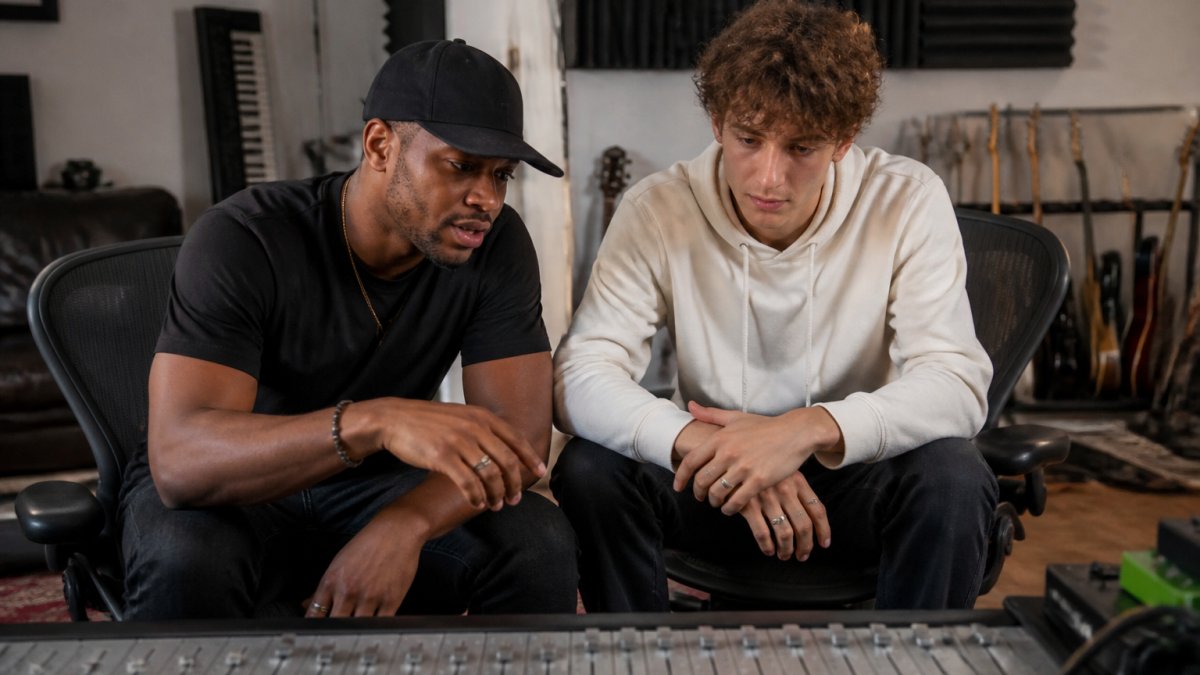
Treat the first release as the foundation, not the finish line.
Stay in regular contact without being intrusive. Check in after their release drops, ask how it's performing, and celebrate wins.
Offer more than just distribution. The labels artists stick with aren't middlemen, they're partners who help them grow. This might mean:
- Connecting them with other artists for collabs
- Sharing feedback on new music before release
- Promoting their tracks through your channels
- Introducing them to DJs, promoters, or producers in your network
- Helping them understand their audience through reporting and analytics
Be transparent about the partnership.
When they have a new release ready, make it easy to work with you again.
Measuring Your Outreach Success and Refining Your Approach
You can't improve what you don't measure. Track the metrics that matter to your scouting.
Start with these key numbers:
- Response rate: How many artists respond to your outreach emails? A 5-10% response rate is solid. Below 3% means your messaging or targeting needs work.
- Conversion rate: Of those who respond, how many actually sign or agree to work together? Track this separately from response rate.
- Time to conversion: How long from first email to signed artist? This helps you understand your sales cycle.
- Artist retention: Of artists you sign, how many release more than one track with you? This is the real measure of success, one-off releases don't build a label.
Review your outreach monthly. Which channels produce the most responses, SoundCloud or direct emails?
Test small changes: different subject lines, opening hooks, calls to action.
Most importantly, listen to artists who respond. If they were hesitant about something, fix it.
Effective outreach improves with practice and data.
Building a strong roster takes time, strategy, and genuine relationship-building.
Frequently Asked Questions
What should a music scout include in an outreach message?
An effective music scout outreach message should include a personalized reference to the artist's work, a clear explanation of why you're reaching out, what you can offer (distribution support, collaboration, showcase opportunity), and a simple call to action. Keep it under 150 words. Mention specific tracks or projects you've heard, explain how your label or organization aligns with their goals, and make responding easy by providing direct contact information and clear next steps. Generic messages get ignored; personalization shows genuine interest.
How often should a music scout follow up with an artist?
Space follow-ups 7-10 days apart if there's no initial response. Send no more than 3 follow-up messages before moving on. If an artist responds positively, maintain contact every 2-4 weeks with relevant updates, opportunities, or collaboration ideas. Don't disappear after the first exchange. Consistent, respectful follow-up demonstrates professionalism and keeps you top-of-mind when the artist is ready to take their next step. Always respect opt-out requests immediately.
How can music scouts find emerging artists without wasting time on unqualified talent?
Focus on artists who already show professional signals: consistent release schedules, engaged communities, professional production quality, and clear artistic direction. Monitor music platforms, SoundCloud, Bandcamp, and genre-specific communities where your target artists congregate. Check for playlist placements, social media growth, and press coverage. Listen to the music first, quality and originality matter more than follower count. Ask for referrals from other scouts, venue owners, and music educators. Qualify artists early by reviewing their catalog and engagement metrics before investing outreach time.
What makes an outreach strategy effective for music scouts?
Effective outreach combines targeted artist discovery, personalized communication, clear value propositions, and consistent follow-up. Scouts who succeed identify their niche (genre, geography, artist stage), research artists thoroughly before reaching out, craft messages that show genuine familiarity with the artist's work, choose the right channels (email, Instagram DM, industry events), and maintain relationships even when initial pitches don't land. Transparency about what you offer and how you'll support the artist builds trust. Measuring response rates and refining your approach based on results separates successful scouts from those who broadcast generic messages.
If you’re looking for a reliable way to distribute your music to major platforms, NexaTunes offers direct distribution with transparent terms.